Germany is one of the most attractive destinations in Europe for skilled workers, professionals, and qualified job seekers. With a strong economy, high demand for workers in several industries, and excellent employment standards, Germany offers opportunities for foreign nationals who want to build a career and live legally in the country.
If you are planning to work in Germany, understanding the German Work Permit Visa process is essential. Depending on your qualifications, employment contract, profession, and nationality, you may need a German employment visa and residence permit that allows you to work legally in the country.
This guide explains the German work permit visa requirements, eligibility criteria, required documents, application process, estimated costs, processing time, salary expectations, and important information for applicants from Bangladesh.
What Is a German Work Permit Visa?
A German Work Permit Visa is a type of long-stay visa that allows a qualified foreign national to enter Germany for employment. After entering Germany, the applicant generally applies for the appropriate residence permit that authorizes employment.
Germany has different immigration routes for workers. The suitable option depends on factors such as your education, professional qualifications, job offer, salary, occupation, and whether your qualifications are recognized in Germany.
Some applicants may qualify for the EU Blue Card, while others may apply through skilled-worker immigration routes or other employment-based residence permits.
It is important to understand that simply finding a job does not automatically guarantee a visa. Applicants must meet the applicable immigration requirements and provide genuine supporting documents.
Who Can Apply for a German Work Permit Visa?
Foreign nationals who have a suitable job offer and meet Germany’s immigration requirements may be eligible to apply for a work-related visa.
Generally, applicants may need to demonstrate:
- A valid employment contract or binding job offer from a German employer
- Relevant academic or vocational qualifications
- Recognition or comparability of qualifications where required
- Appropriate professional experience for the position
- Sufficient financial resources where applicable
- Valid health insurance
- A valid passport
- Compliance with German immigration regulations
The exact requirements can vary according to the applicant’s profession and the type of residence permit being requested.
German Work Permit Visa Requirements
Before applying, applicants should prepare all necessary documents carefully. Missing or inconsistent documents can cause delays or lead to a visa refusal.
Common documents may include:
- Valid passport
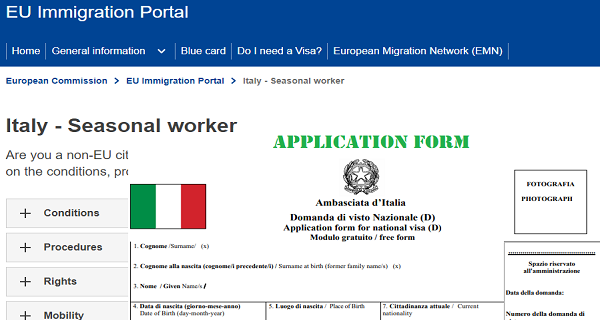
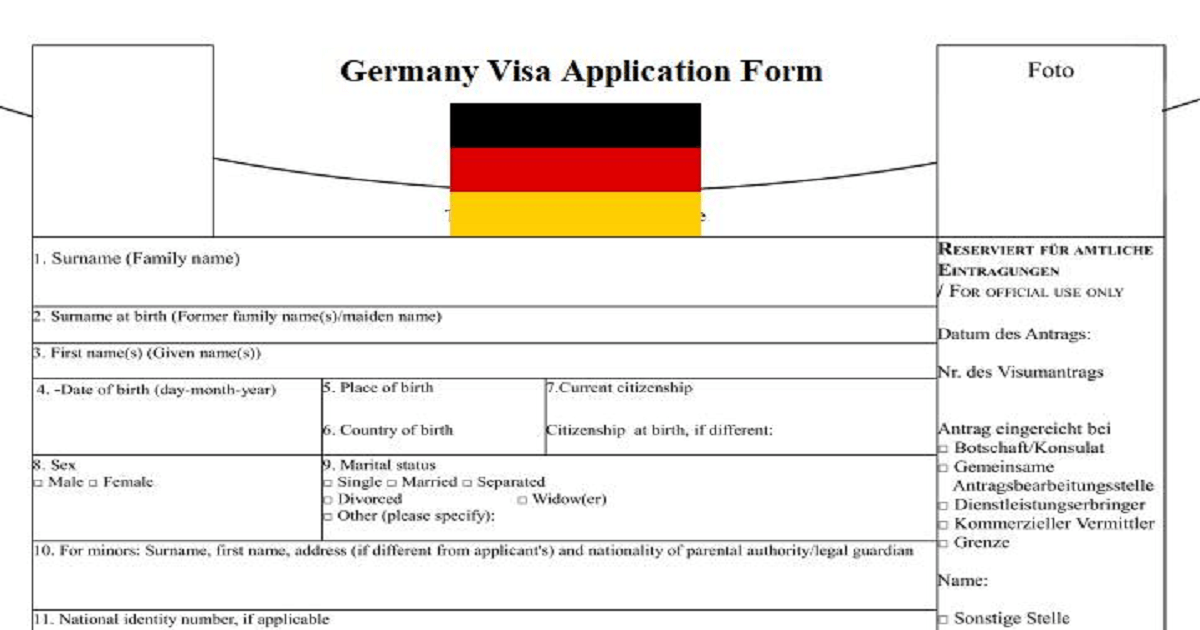
- Completed national visa application form
- Recent passport-size photographs
- Employment contract or official job offer
- Proof of academic or vocational qualifications
- Recognition or assessment of foreign qualifications, where applicable
- Curriculum vitae (CV)
- Proof of professional experience
- Proof of accommodation, if required
- Proof of health insurance
- Proof of financial means, where applicable
- Additional documents requested by the German authorities
Documents issued outside Germany may need to be translated into German or another accepted language and may require authentication or other formalities.
Educational Qualification and Recognition
Qualification recognition is an important part of Germany’s skilled-worker immigration system.
If you have completed your education or vocational training outside Germany, you may need to show that your qualification is recognized or comparable to a German qualification, depending on the specific immigration route.
For regulated professions, such as certain healthcare occupations, additional professional recognition or a license to practice may be necessary.
Applicants should therefore check the recognition requirements for their specific occupation before submitting a visa application.
German Work Visa for Skilled Workers
Germany has significant demand for qualified workers in areas such as information technology, engineering, healthcare, construction, logistics, manufacturing, and skilled trades.
A skilled-worker residence route can allow qualified professionals with a suitable employment opportunity to live and work in Germany.
The applicant’s qualification, employment position, salary, and other circumstances are considered when determining the appropriate immigration route.
EU Blue Card Germany
Highly qualified professionals may be eligible for the EU Blue Card, which is designed for qualified workers who meet specific requirements, including applicable salary thresholds.
The EU Blue Card can offer advantages such as a potentially faster route toward permanent residence and certain family-reunification benefits.
However, salary thresholds and other conditions can change over time. Applicants should always check the latest official requirements before applying.
Germany Work Permit Visa for IT Professionals
Germany is an attractive destination for IT professionals because the country has a continuing need for workers in the technology sector.
Potential job opportunities include:
- Software Developer
- Web Developer
- IT Specialist
- Data Analyst
- Cybersecurity Specialist
- Cloud Engineer
- System Administrator
- DevOps Engineer
- IT Project Manager
Depending on the position and immigration category, an applicant may qualify even if the job market requirements differ from traditional professions.
Germany Work Visa for Healthcare Workers
Healthcare is another important employment sector in Germany. Foreign nurses, medical professionals, and other healthcare workers may find opportunities, although regulated professions usually involve additional recognition and licensing requirements.
Potential positions can include:
- Registered Nurse
- Nursing Assistant
- Medical Professional
- Elderly Care Worker
- Healthcare Specialist
- Physiotherapist
Healthcare applicants should pay particular attention to professional recognition, language requirements, and licensing procedures.
Germany Work Visa for Other Job Sectors
Foreign workers may also find employment opportunities in several other sectors, including:
- Engineering
- Construction
- Manufacturing
- Automotive
- Logistics
- Hospitality
- Skilled trades
- Electrical work
- Mechanical work
- Transport and warehouse operations
The availability of jobs depends on Germany’s current labor-market conditions and the applicant’s skills and qualifications.
German Language Requirement
German language requirements depend on the job and immigration category.
Some international jobs, particularly in technology and multinational companies, may be available in English. However, German language skills can significantly improve employment opportunities and everyday life in Germany.
For regulated professions and certain vocational or healthcare positions, a specific level of German may be required.
Therefore, applicants should check the language requirements for their particular profession before applying.
How to Apply for a German Work Permit Visa
The application process generally involves several stages.
Step 1: Find a Genuine Job in Germany
The first step is to obtain a legitimate job offer or employment contract from a German employer.
Applicants should be careful when dealing with recruitment agencies or individuals who promise guaranteed German jobs or visas in exchange for large amounts of money.
Step 2: Check Your Qualification
Determine whether your academic or vocational qualification needs recognition in Germany. This is particularly important for regulated professions.
Step 3: Prepare the Required Documents
Collect your passport, employment documents, educational certificates, professional experience documents, CV, photographs, insurance documents, and any other required paperwork.
Step 4: Submit the Visa Application
Applicants who require a visa normally submit an application for a German national visa through the responsible German diplomatic mission or an authorized application system, depending on their country of residence.
Applicants may need to attend an appointment and provide biometric information.
Step 5: Visa Processing
The relevant German authorities review the application and supporting documents. Depending on the case, additional checks may be required.
Step 6: Travel to Germany
If the visa is approved, the applicant can travel to Germany according to the conditions of the issued visa.
Step 7: Obtain the Residence Permit
After arriving in Germany, the worker may need to complete local registration and apply for the appropriate residence permit with the responsible immigration authority.
German Work Permit Visa from Bangladesh
Bangladeshi citizens who want to work in Germany generally need to follow the German employment-visa procedure applicable to applicants residing in Bangladesh.
Before applying, Bangladeshi applicants should ensure that:
- They have a genuine German employment offer
- Their qualifications meet the relevant requirements
- Their documents are complete and properly prepared
- Any required qualification recognition has been completed
- They meet applicable language requirements
- They have valid health insurance where required
- They follow the current instructions of the responsible German mission
Applicants should rely on official German government and diplomatic sources for the latest appointment, document, and visa submission requirements.
Germany Work Permit Visa Processing Time
The processing time for a German employment visa is not identical for every applicant.
Processing can depend on:
- Type of employment
- Applicant’s qualifications
- Employer information
- Qualification recognition
- Required approval from German authorities
- Completeness of documents
- Number of applications being processed
For this reason, applicants should avoid relying on unofficial claims that a German work visa will always be approved within a fixed number of days or weeks.
It is advisable to apply well in advance of the intended travel date.
Germany Work Visa Cost
Applicants normally have to pay a visa fee when submitting a German national visa application. Additional expenses may include:
- Document translation
- Qualification recognition
- Document authentication
- Health insurance
- Travel expenses
- Residence permit fees
- Other administrative costs
The exact fees can change, so applicants should verify the current amount through official German sources before submitting an application.
Salary in Germany
Germany offers competitive salaries compared with many other European countries, but the actual salary depends heavily on the occupation, qualifications, experience, location, employer, and industry.
For example, experienced professionals in IT, engineering, healthcare, finance, and specialized technical fields may earn considerably more than entry-level workers.
When evaluating a German job offer, applicants should consider not only the gross salary but also taxes, social-security contributions, accommodation costs, transportation, and other living expenses.
Benefits of Working in Germany
A legal job in Germany can provide several advantages, including:
- Access to a strong European labor market
- Employee protection under German labor laws
- Social-security benefits
- Paid annual leave according to applicable rules
- Opportunities for professional development
- Potential family reunification
- Possibility of long-term residence
- Potential pathway toward permanent settlement for eligible workers
The exact benefits and residence rights depend on the type of permit and the individual’s circumstances.
Can a German Work Permit Lead to Permanent Residence?
In many cases, foreign workers may eventually qualify for permanent residence in Germany if they meet the applicable requirements.
The required period can depend on the residence title, employment history, German language ability, social-security contributions, and other factors.
EU Blue Card holders may have different and potentially faster settlement options if they satisfy the relevant conditions.
Therefore, workers interested in permanent settlement should check the rules that apply to their particular residence permit.
Can You Bring Your Family to Germany?
Eligible foreign workers may be able to bring certain family members to Germany through family reunification.
The requirements can depend on the worker’s residence permit, income, accommodation, family relationship, and other legal conditions.
Spouses and children may qualify in appropriate circumstances. Applicants should check the current family-reunification rules before making travel arrangements.
Common Reasons for German Work Visa Delays or Refusal
A work visa application may face problems when documents are incomplete, information is inconsistent, qualifications do not meet the applicable requirements, or the employment arrangement does not satisfy German immigration rules.
Common issues can include:
- Incomplete documentation
- Incorrect application information
- Unclear employment contract
- Problems with qualification recognition
- Insufficient proof of required qualifications
- Failure to meet salary or employment conditions
- Questions regarding the authenticity of documents
- Failure to meet applicable visa requirements
Applicants should carefully review their documents before submitting an application.
Important Tips for German Work Visa Applicants
If you are planning to apply for a German work permit visa, keep the following points in mind:
- Always use genuine documents.
- Never submit a fake job offer or employment contract.
- Verify the employer before accepting a job.
- Check whether your qualification requires recognition.
- Learn German if it is relevant to your occupation.
- Keep copies of all submitted documents.
- Follow the latest instructions from German authorities.
- Avoid anyone who guarantees visa approval for a fixed payment.
- Do not make major travel arrangements before receiving the appropriate visa approval.
Frequently Asked Questions About German Work Permit Visa
Is a job offer required for a German work visa?
For many employment-based routes, applicants need a suitable employment offer or contract. However, Germany also has other immigration pathways for qualified individuals, so requirements vary according to the specific route.
Can I apply for a German work visa without knowing German?
In some professions, especially certain international or IT positions, German language knowledge may not be mandatory. However, language requirements depend on the occupation and residence route.
Can Bangladeshis apply for a German work visa?
Yes. Bangladeshi citizens who meet the applicable German employment and immigration requirements can apply through the appropriate German visa procedure.
How much money is required for a German work visa?
There is no single amount that applies to every worker because financial requirements depend on the visa category and individual circumstances. Applicants should check the current official requirements for their specific case.
Can I change jobs after arriving in Germany?
Changing employment may be possible, but the conditions depend on the residence permit and the restrictions attached to it. In some cases, approval or notification to the relevant authority may be required.
Final Words
The German Work Permit Visa can provide qualified foreign workers with an opportunity to build a career in one of Europe’s largest economies. However, obtaining a work visa requires more than simply receiving a job offer. Applicants must meet the relevant immigration requirements, provide authentic documents, and follow the correct application procedure.
For applicants from Bangladesh, the best approach is to secure a genuine employment opportunity, verify qualification-recognition requirements, prepare all documents carefully, and follow the latest instructions provided by German authorities.
Because German immigration rules, salary thresholds, fees, and application procedures can change, applicants should always verify the latest information from official German government and diplomatic sources before submitting an application.
SEO Keywords: German Work Permit Visa, Germany Work Visa, German Work Visa from Bangladesh, Germany Work Permit Visa Requirements, Germany Work Visa Requirements, Germany Employment Visa, Germany Skilled Worker Visa, Germany Work Visa Process, Germany Work Permit Visa Cost, Germany Work Visa Processing Time, Jobs in Germany for Foreigners, Germany Work Visa for Bangladeshi Citizens.